
The Ultimate Guide to Managing Chronic Back Pain Without Surgery
Back pain is one of those problems that exhausts you not just physically, but mentally as well. The constant ache, the sleepless nights, and the things you have had to stop doing, it’s a lot! What once started as a small ache after a long day of work can quietly affect your day-to-day life.
But here is some good news. For many people with chronic back pain, surgery is not the first or even best treatment recommendation. There are several other non-surgical strategies that genuinely help in reducing this chronic back pain.
Let’s walk through some of those practical and effective ways to manage chronic back pain without going under the knife.
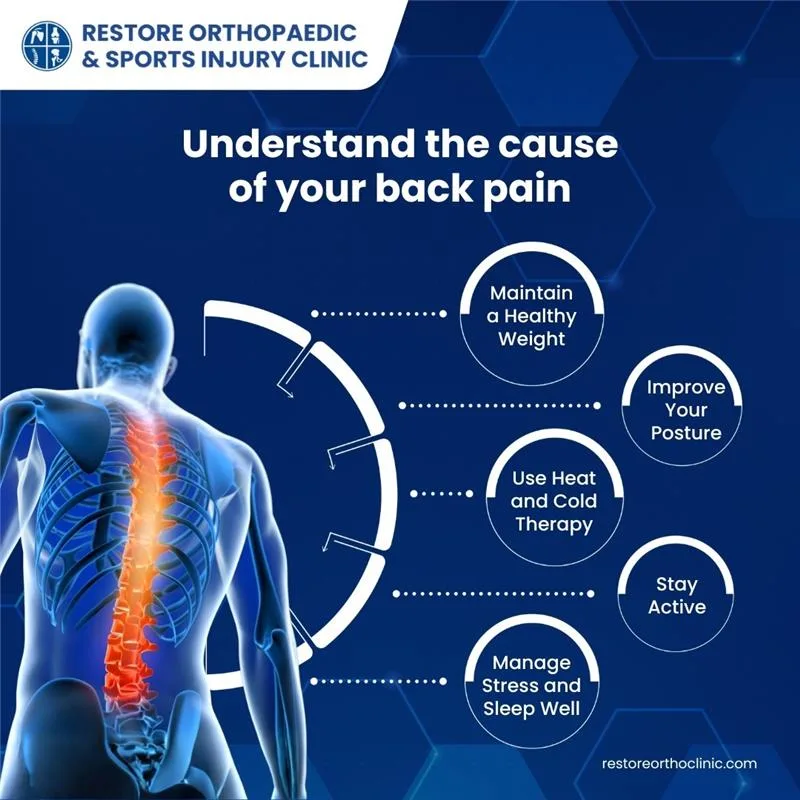
Understand the cause of your back pain
Before we talk about the solutions, let’s quickly understand why your back hurts. When the back pain sticks around for twelve weeks or longer, then it becomes chronic back pain. It can be caused by many factors, including muscle strain that has not fully recovered, improper posture, a slipped disc, arthritis, a sedentary lifestyle, or even excessive weight.
Understanding what causes your back pain has a huge impact on the treatment approach.
Stay active
Yes, this sounds counterintuitive. To stay active when you have an aching back. While sufficient rest is needed during severe pain, staying inactive for too long can actually weaken the muscles that support your spine, which in turn makes the pain worse over time.
Thus, we recommend a gentle moment to keep muscles strong and prevent further stiffness. Start slow and gradually increase activity as your body adapts. A 20-minute walk or light stretching improves blood circulation and makes a huge real difference.
Here, the key is to move regularly without overstraining your back. But if the pain is sharp, stop immediately and consult the best orthopaedic.
Improve your posture
Most chronic back pain these days is linked to poor posture. People who sit for long hours at desks or work on computers often complain of chronic back pain. This slouching forward or leaning toward screens puts extra stress on the spine and surrounding muscles.
When we have such patients at our clinic, we recommend making these simple adjustments in their day-to-day lives.
- To keep their back straight and shoulders relaxed
- To keep the computer screen at eye level
- To use a chair with proper lumbar support
- To keep both feet flat on the floor while sitting
- To take a small break every 30–40 minutes from their prolonged sitting
These simple yet effective changes help relieve pressure on the back and gradually reduce chronic back pain.
Maintain a healthy weight
This is one of the underrated causes of back pain. Every extra pound of weight your body carries puts additional pressure on your back. Over time, this added pressure makes chronic back pain even worse.
As orthopedic surgeons, we encourage everyone to maintain a healthy weight not only to reduce back pain but also to support overall well-being. Even losing a small amount of weight can lead to noticeable relief for some people.
Use heat and cold therapy
Sometimes, the most effective remedies are the simplest methods. Heat and cold therapy are the easiest ways to get quick relief.
Cold packs are helpful in reducing inflammation and swelling, especially after physical activity or sudden pain flare-ups.
Heat therapy such as warm compresses or heating pads, helps relax tight muscles and improve blood flow.
Manage stress and sleep well
Chronic pain isn’t just physical. It is closely linked to mental and emotional health as well. Stress and anxiety increase muscle tension and amplify the pain signals. Try relaxation techniques like deep breathing, meditation, or gentle yoga, which may help reduce stress levels.
Sleep also plays an important role in recovery. Poor sleep posture or an unsupportive mattress can aggravate back pain. Using a supportive mattress and maintaining a comfortable sleeping position can improve both sleep quality and pain levels.
Tags:
Share This:
FAQ
1. What are the early signs of arthritis?
Early signs may include persistent joint pain, stiffness (especially in the morning), swelling around the joint, reduced flexibility, and discomfort that worsens with activity.
2. Is it normal to have joint pain as we get older?
Occasional joint pain can happen with age due to wear and tear on the joints. However, ongoing or worsening pain should be evaluated by an orthopedic surgeon to rule out arthritis or other joint conditions.
3. How can I tell if my joint pain is arthritis or just temporary pain?
Temporary joint pain usually improves with rest, ice, or mild medication within a few days. Arthritis-related pain tends to last longer, may come with swelling or stiffness, and often affects joint movement over time.
4. Can arthritis affect young adults?
Yes. While some types of arthritis are more common with age, conditions like rheumatoid arthritis can affect people in their 20s, 30s, or even younger.
5. Can arthritis be cured?
While many types of arthritis cannot be completely cured, early diagnosis and proper treatment from an orthopedic surgeon can help manage symptoms, slow progression, and improve quality of life.